
Costo:
350 MXNDuración:
30 minutesTiempo de Recuperación:
Recovery is not necessary.Entrega de Resultados:
12 daysRequisitos:
No sexual intercourse for 48 hours prior
Not being on your menstrual period
Not having placed vaginal eggs or douches for 24 hours before.
AGENDA UNA CITA
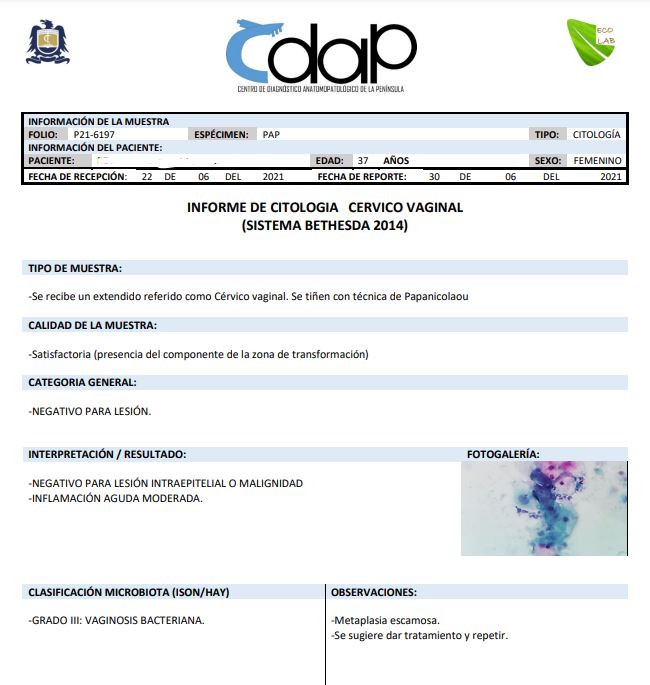
The Pap smear or Cervical Cytology is designed to detect Human Papillomavirus, a virus that is responsible for 99% of cervical cancer cases.
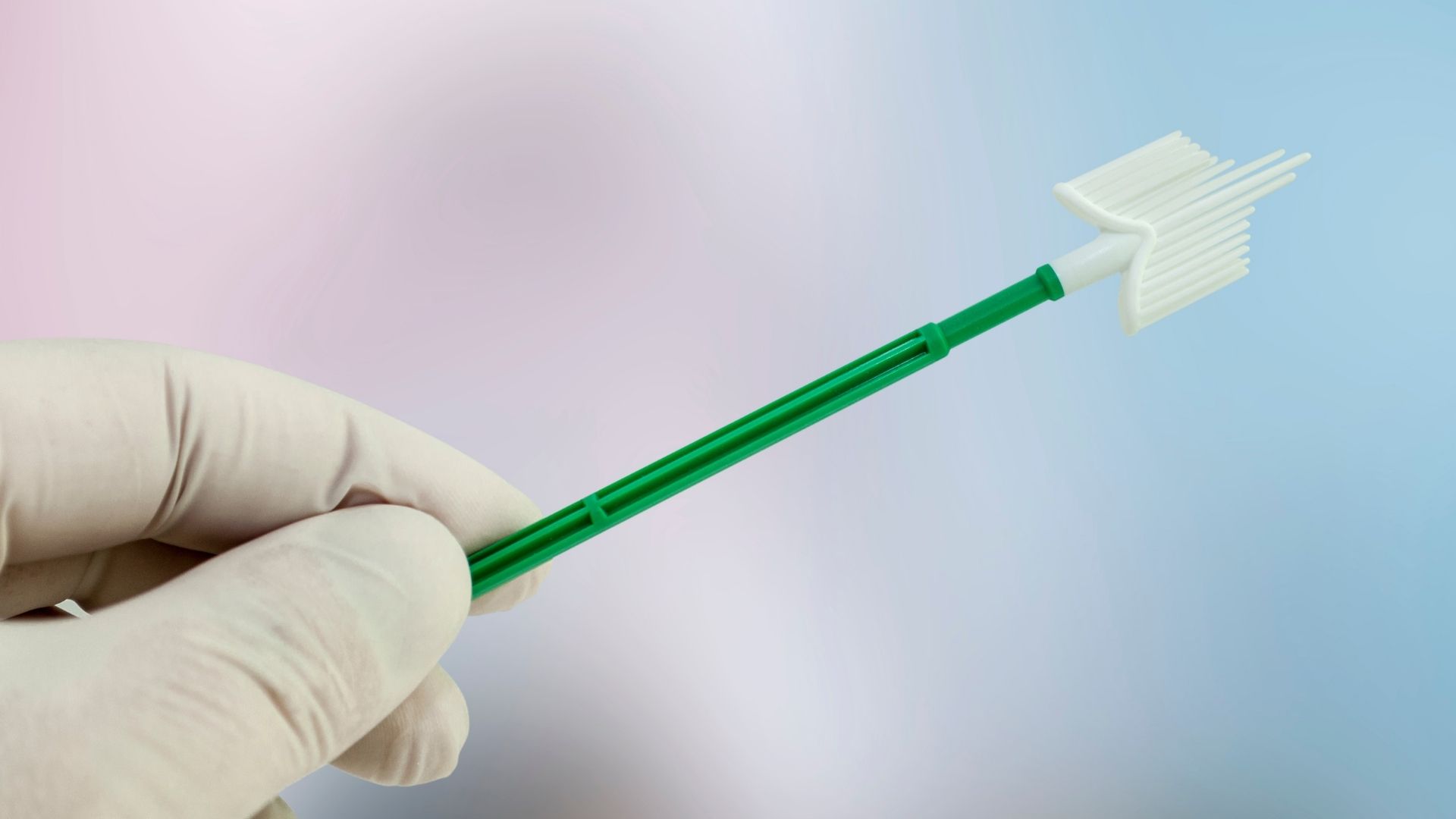
Cells are collected from the cervix, it is an office procedure that lasts 10 minutes, which is not painful and must be performed from the age of 21 on an annual basis.
Certain types of human papillomavirus (HPV) can cause cervical cancer, while other varieties of HPV produce genital warts. Many people who lead an active sex life will become infected with HPV at some point in their lives and will never develop symptoms. Usually, the virus will disappear in two years.
In women, the
HPV
test includes the following:
- Pap smear. Pap smear, which looks for abnormal cells in the cervix; it is recommended to do it every one to three years to women between 21 and 65 years of age.
- A vaginal mirror is placed to reach the bottom of the vagina and a sample of cervical cells is obtained, this sample is sent for review under the microscope where the pathologist, who is in charge of reviewing and analyzing the cells can give us a diagnosis about whether those cells contain the virus inside.
- What if my Pap result is positive for Human Papillomavirus?
- In the event of a positive result, a colposcopy should be performed, which consists of visualizing the bottom of the vagina with a microscope to determine where this human papillomavirus lesion is, and also during colposcopy you can choose to take a sample or biopsy to corroborate the lesion and its degree of progress.
What other tests do we have to know more about which viruses we have?
- PCR test, This is done by a sample of the bottom of the vagina in search of viral particles, it is the same type of test that is done to detect COVID.
- Women over the age of 30 may be able to have the HPV test along with the Pap smear every five years, if the previous tests were normal.
- Women between the ages of 21 and 30 will be tested
for HPV by PCR
if their Pap test gave an anomalous result. - It serves to know which of the 200 types of papillomavirus we have and if it is considered high risk, based on the probability it has to progress to cervical cancer.
Does the Pap smear detect other sexually transmitted infections? The answer is no, indirectly it can throw us a strong suspicion of a vaginal bacterial infection, but in this case you should opt for a vaginal culture to determine which bacteria is present.